

Private Home Tutors in Agodi GRA: 10 Impacts of Parental Conflicts on a Child’s Academic Performance and Psychology:
Private Home Tutors in Agodi GRA provide structured academic support for children living in one of Ibadan’s well-organized and highbrow residential areas. Families in Agodi GRA increasingly rely on Private Home Tutors in Agodi GRA not only for academic improvement but also for emotional and psychological stability in children.
In many homes, academic struggles are not just caused by school challenges but also by emotional stress, especially those linked to family conflicts. This is where Private Home Tutors in Agodi GRA play a critical role in restoring focus, confidence, and learning consistency.
Table of Contents
- Why Private Home Tutors in Agodi GRA Matter
- Understanding Parental Conflicts and Child Development
- 10 Impacts of Parental Conflicts on Children
- How Private Home Tutors in Agodi GRA Support Affected Children
- Academic Benefits of Private Home Tutors in Agodi GRA
- External Resources
- Internal Links and Support
Why Private Home Tutors in Agodi GRA Matter
Choosing Private Home Tutors in Agodi GRA ensures children receive:
- One-on-one academic attention
- Emotional learning support
- Structured study routines
- Improved concentration and confidence
In environments like Agodi GRA, where families value education highly, Private Home Tutors in Agodi GRA help bridge learning gaps caused by emotional stress.
Understanding Parental Conflicts and Child Development
Parental conflicts can significantly affect a child’s mental and academic development. Even in stable neighborhoods like Agodi GRA, emotional instability at home can reduce a child’s ability to focus, learn, and retain information.
This is why Private Home Tutors in New Bodija are essential—they help provide stability through structured learning environments.
10 Impacts of Parental Conflicts on a Child’s Academic Performance and Psychology
1. Reduced Concentration and Private Home Tutors in Agodi GRA Support
Children exposed to conflict often struggle to focus. Private Home Tutors AkoboA help rebuild attention through structured lessons.
2. Decline in Academic Performance
Emotional stress leads to lower grades and poor retention.
3. Anxiety and Emotional Instability
Children may feel constantly anxious, affecting learning ability.
4. Low Self-Esteem
Conflicts can reduce a child’s confidence in school performance.
5. Behavioral Problems
Aggression or withdrawal may develop in affected children.
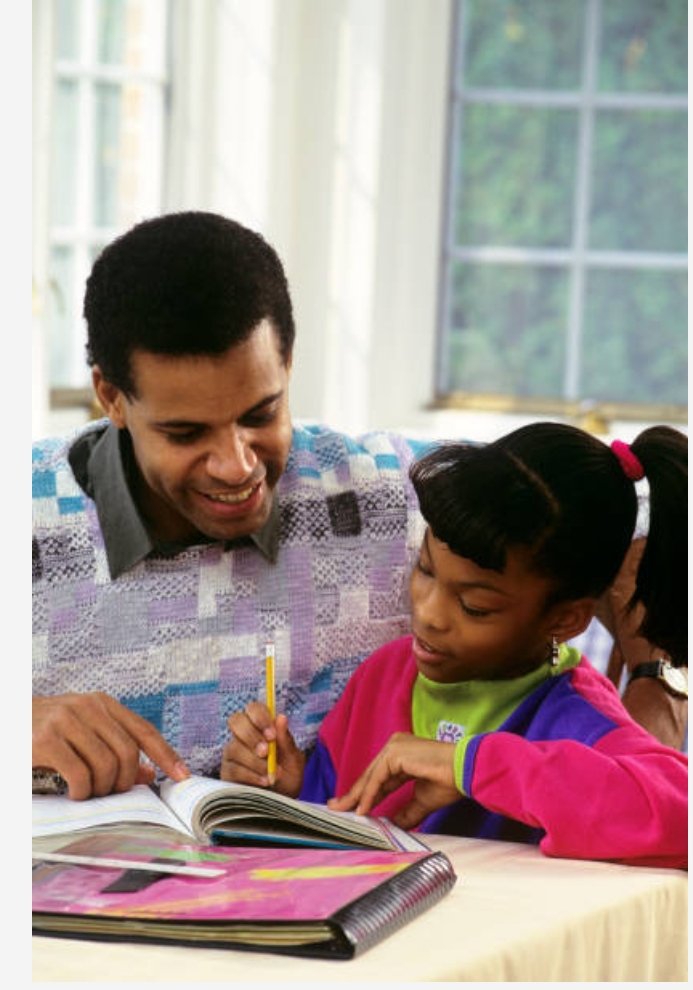
6. Lack of Motivation to Study with Private Home Tutors in Iyaganku GRA
Motivation drops when home environments are unstable, making Private Home Tutors in Jericho GRA essential.
7. Difficulty Completing Assignments
Emotional stress leads to poor task completion habits.
8. Social Withdrawal
Children may isolate themselves from peers.
9. Sleep and Health Disruptions
Stress affects rest and physical well-being.
10. Long-Term Academic Underperformance
Without intervention from Private Home Tutors in Ikolaba Estate, long-term academic decline may occur.
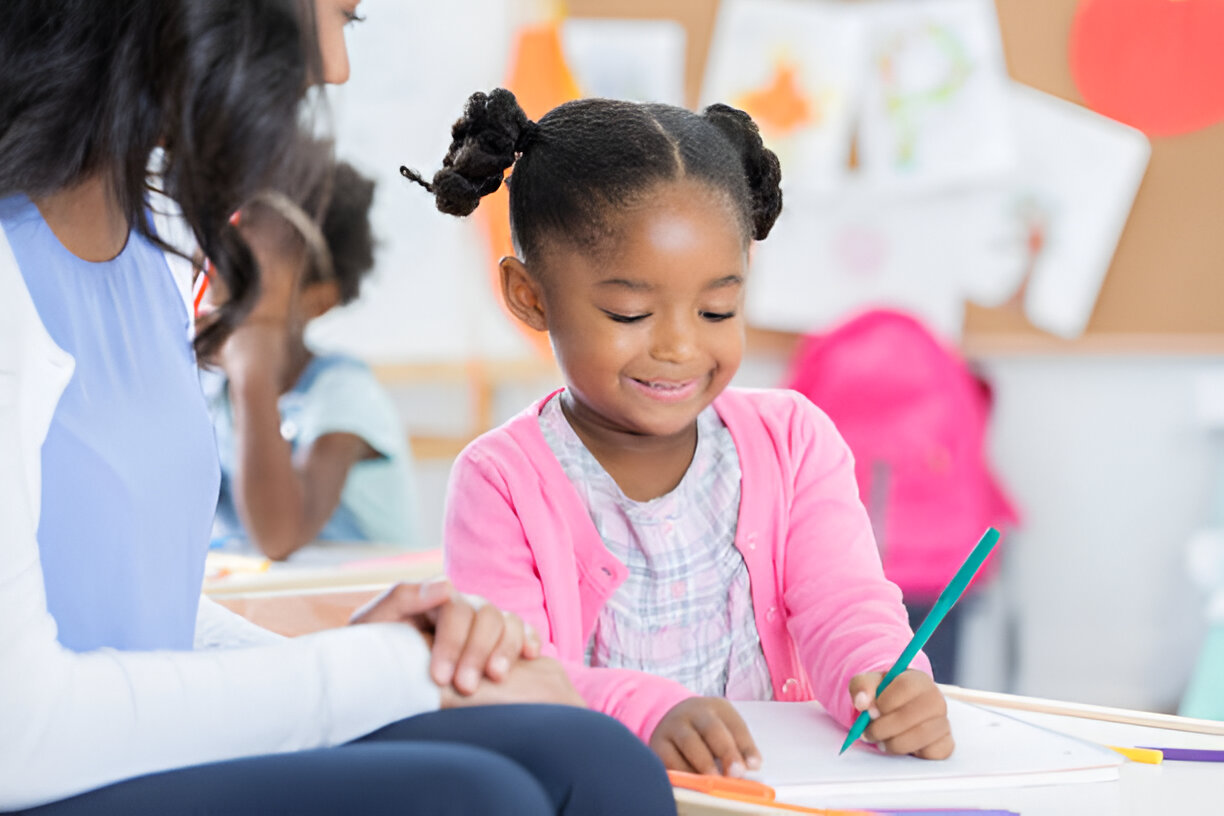
How Private Home Tutors in Agodi GRA Help Affected Children
Private Home Tutors in Kolapo Ishola Estate provide:
- Emotional stability through structured learning
- Personalized academic guidance
- Confidence rebuilding strategies
- Consistent learning routines
They also collaborate with parents to ensure balanced development.
- Home Tutoring Services
- Book a Private Tutor
- Academic Support Programs
Final Thoughts on Private Home Tutors in Aerodrome GRA
The role of Private Home Tutors in Old Bodija goes beyond academics. They help children recover focus, rebuild confidence, and improve emotional stability,
Dear Parents,
As partners in your child’s academic journey, Outstanding Performance Home Tutors recognizes the critical role you play in shaping not just your child’s education, but their overall well-being. One area we must address is the impact of parental conflicts on a child’s academic performance and psychological health.

Understanding the Impact
Conflict is a natural part of relationships, but when it escalates into persistent arguments, tension, or hostility, it can have profound effects on children. Whether overt (shouting or physical confrontations) or covert (silent treatment, tension-filled atmosphere), these conflicts often create an environment of stress and instability that negatively impacts a child’s ability to thrive.
*Effects on Academic Performance
Reduced Concentration*:
Children exposed to frequent parental conflicts often find it hard to concentrate on their studies. The emotional turmoil distracts them, leading to a decline in their ability to focus.
Poor Academic Results:
A stressed or anxious child may struggle to retain information, complete assignments, or prepare effectively for exams, which can lead to lower grades.
Avoidance Behavior:
Some children may use school as an escape or, conversely, avoid school altogether if they feel unsupported at home.
Loss of Motivation:
Witnessing constant arguments can sap a child’s enthusiasm and motivation, making them disengage from their studies.
Effects on Psychological Health
Anxiety and Stress:
Children may become anxious, worrying about their parents’ relationship and their own security within the family.
Low Self-Esteem:
Growing up in a conflict-ridden environment can make a child feel inadequate or unworthy, affecting their confidence.
Behavioral Issues:
Some children may act out in frustration, becoming aggressive, defiant, or overly withdrawn.
Difficulty in Relationships:
Children often mirror what they see.
Exposure to unhealthy conflict resolution patterns can hinder their ability to build and maintain healthy relationships.

What Can Parents Do?
While conflicts may be inevitable, managing them constructively is key to minimizing their impact on your child. Here are some steps to consider:
Practice Healthy Communication:
Address disagreements calmly and respectfully, especially in front of your child.
Reassure Your Child:
Let them know they are not the cause of your disagreements and that both parents love them unconditionally.
Keep Conflicts Private:
Avoid discussing sensitive issues or arguing in front of your child.
Create a Stable Environment:
Ensure a supportive and nurturing atmosphere at home to help your child feel secure.
Seek Professional Help:
If conflicts are frequent or intense, consider family counseling to resolve issues and develop healthy communication strategies.
Collaborate with Tutors:
Inform tutors about any challenges your child may be facing at home, so they can provide additional support and understanding.
Conclusion
Your child’s academic success and emotional well-being are deeply interconnected.
By fostering a harmonious home environment, you not only help your child excel academically but also equip them with the resilience to face life’s challenges confidently.
At Outstanding Performance Home Tutors, we are committed to supporting you in every way to ensure your child achieves their full potential.
As partners in your child’s learning journey, Outstanding Performance Home Tutors in Oluyole Estate acknowledges the essential role parents play in shaping both academic progress and overall emotional development. One important issue that deserves attention is how parental conflict can influence a child’s school performance and psychological well-being.
Understanding the Impact
Conflict is a normal part of human relationships, but when it becomes frequent, intense, or unresolved, it can deeply affect children. Whether expressed openly through shouting or arguments, or more quietly through tension and emotional distance, such situations often create an unstable and stressful home environment that can hinder a child’s growth and development.

Effects on Academic Performance
Reduced Concentration
Children who are regularly exposed to parental disagreements often struggle to focus on their studies. Emotional stress tends to distract them, making it harder to pay attention in class or during revision.
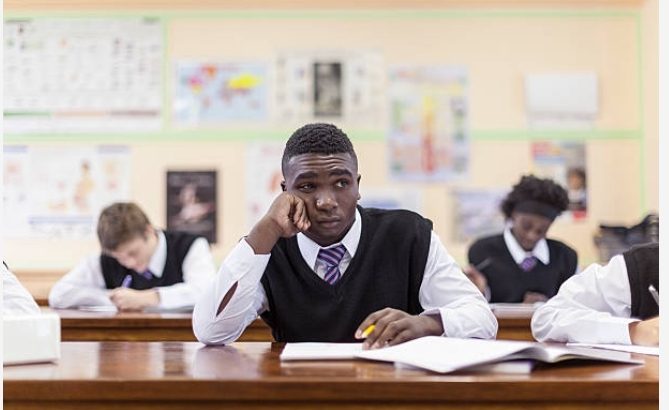
Decline in Academic Results
When a child is emotionally unsettled, it becomes difficult for them to retain information, complete school tasks effectively, or prepare adequately for examinations, which may result in poor grades.
Avoidance Patterns
Some children may either prefer staying away from home by spending more time at school or, in other cases, avoid school due to a lack of emotional support.
Decreased Motivation
Constant exposure to conflict can drain a child’s enthusiasm for learning, leading to reduced interest and disengagement from academic activities.
Effects on Psychological Health
Anxiety and Emotional Pressure
Children may develop worry and fear about family stability, leading to persistent anxiety and emotional stress.
Low Self-Confidence
A home environment filled with conflict can make a child feel insecure or less valued, affecting their self-esteem.
Behavioral Challenges
Some children respond to emotional stress by becoming aggressive, oppositional, or emotionally withdrawn.
Struggles with Relationships
Children often learn by observation. Exposure to unhealthy communication patterns may affect how they relate with peers and form relationships in the future.
What Parents Can Do
While disagreements may not always be avoidable, handling them in a healthy way is very important in reducing their effect on children. Consider the following approaches:
Adopt Healthy Communication
Discuss issues calmly and respectfully, especially when children are present.
Reassure Your Child
Make it clear that they are not responsible for any disagreements and that they are loved by both parents.
Avoid Arguing in Front of Children
Keep sensitive discussions and conflicts away from their observation.
Maintain a Stable Home Environment
Create a peaceful and supportive atmosphere that helps children feel safe and secure.
Seek Professional Guidance
When conflicts become frequent or difficult to manage, family counseling can help improve communication and resolve underlying issues.
Work with Tutors
Inform your child’s tutor about any emotional or home-related challenges so they can provide additional academic and emotional support.
Conclusion
A child’s emotional stability and academic success are closely connected. When the home environment is calm and supportive, children are more likely to perform better academically and develop healthy coping skills.
Outstanding Performance Home Tutors remains committed to supporting families in ensuring that every child reaches their full academic and personal potential.
Let us work together to create a nurturing environment where they can thrive.
Warm regards,
Joshua Olarinde
Director of Studies,
For: Outstanding Performance Home Tutors
+2348085770009