

HOME TUTORS IN KANO: 10 EFFECTIVE WAYS TO ENCOURAGE YOUR CHILD TO ASK QUESTIONS AND BUILD CONFIDENCE
Home Tutors in Kano help children become confident learners by encouraging curiosity, critical thinking, and effective questioning skills through personalized one-on-one tutoring and academic support.
Home Tutors in Kano understand that children learn best when they are curious enough to ask questions. Asking questions is an essential learning skill that helps children think critically, solve problems independently, and develop confidence in both academic and real-life situations. Parents and tutors who create an environment where children feel comfortable asking questions help them become more engaged learners and stronger communicators.

Whether your child attends a public school, private school, or receives personalized lessons at home, encouraging thoughtful questions will improve understanding and academic performance. At Outstanding Performance Home Tutors, our experienced tutors work with families across Kano and other major cities in Nigeria to help students become inquisitive, confident, and independent learners.
Home Tutors in Kano understand that learning is most effective when children feel comfortable asking questions. Curiosity helps learners move beyond memorizing facts to understanding ideas, making connections, and solving problems independently. When children are encouraged to ask “why,” “how,” and “what if,” they become active participants in their education rather than passive listeners.

For example, a Primary Four pupil who asks why plants need sunlight is more likely to understand photosynthesis than a child who only memorizes the definition. Likewise, a Junior Secondary student who asks why a mathematical formula works develops stronger problem-solving skills than someone who simply applies the formula without understanding it.
Home Tutors in Kano understand that academic success depends on more than memorizing facts or reproducing information during examinations. Children need the ability to analyse situations, evaluate evidence, solve unfamiliar problems, and make sound decisions. These abilities form the foundation of critical thinking, a skill that supports success in school and prepares learners for future careers and everyday life. Through personalized instruction, experienced home tutors encourage children to explore ideas, ask thoughtful questions, and develop confidence in their own reasoning.
For example, a Primary Five pupil who learns to explain why a particular Mathematics method works develops deeper understanding than a child who merely memorizes formulas. Likewise, a Junior Secondary student who compares different historical events before drawing conclusions strengthens analytical skills that can be applied across many subjects.

Why Home Tutors in Zoo Road Encourage Children to Ask Questions
One of the main goals of Home Tutors in Nassarawa Extension is to create learners who think independently rather than relying entirely on teachers or textbooks. Children who ask questions learn to analyse information, challenge assumptions, and search for logical answers. These habits benefit them not only in school but throughout their lives.
For instance, a child studying Social Studies may ask why different communities have different cultures, leading to a deeper appreciation of diversity. Similarly, a student learning English may ask why certain grammar rules have exceptions, making language learning more meaningful and memorable.

Modern education requires learners to move beyond memorization and develop the ability to interpret information independently. Home Tutors in Sultan Road encourage children to think carefully before accepting information as correct. Rather than simply providing answers, tutors guide learners to evaluate facts, identify patterns, and justify their opinions using logical reasoning. This approach builds intellectual confidence while helping students become active participants in their own learning.
For instance, a tutor discussing environmental conservation may ask a child to explain how pollution affects daily life instead of asking them to memorize definitions. Similarly, during a Literature lesson, a student may be encouraged to explain why a character made certain decisions instead of merely recalling the storyline.
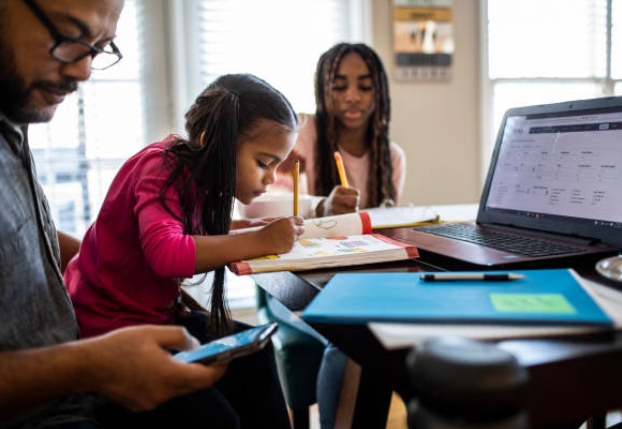
Home Tutors in France Road Create a Safe Learning Environment
Children are far more likely to ask questions when they know they will not be criticized or embarrassed. An encouraging learning environment allows learners to express uncertainty without fear of being laughed at or judged. Experienced tutors patiently welcome every sincere question because they understand that questions often reveal valuable learning opportunities.
For example, a child who admits they do not understand fractions receives patient guidance instead of criticism, making future questions easier to ask. Likewise, a student who hesitates while reading aloud gains confidence when the tutor calmly explains unfamiliar words rather than correcting them harshly.

Home Tutors in Tarauni Encourage Open Conversations
Meaningful conversations help children realize that learning is a shared journey rather than a one-sided lecture. Instead of providing every answer immediately, effective tutors invite learners to explain their thinking, compare ideas, and discuss different possibilities. These conversations improve communication skills while strengthening understanding.
For example, after reading a story, a tutor may ask why the main character made a particular decision before discussing the child’s response. Likewise, during a Science lesson, a tutor may encourage a learner to predict what will happen during an experiment before revealing the actual outcome.

Home Tutors in Gyadi-Gyadi Court Road Praise Curiosity Instead of Perfection
Children thrive when their willingness to learn is recognized, not just their ability to produce correct answers. Praising thoughtful questions encourages learners to remain curious even when they do not yet know the answers. This approach builds resilience and reduces the fear of making mistakes.
For example, a child who asks several questions about multiplication deserves encouragement because those questions show genuine interest in understanding the topic. Likewise, a student who seeks clarification during a Geography lesson demonstrates responsibility for their own learning, even if their first answer is incorrect.

Home Tutors in Farm Centre Make Learning Interactive
Interactive lessons naturally inspire more questions because children become actively involved in the learning process. Visual aids, educational games, demonstrations, and real-life examples make abstract ideas easier to understand while stimulating curiosity. Instead of listening passively, learners participate by observing, discussing, and exploring.
For example, using measuring cups during a Mathematics lesson helps a child understand fractions through practical experience. Similarly, demonstrating a simple Science experiment with water and oil encourages students to ask why the liquids do not mix, leading to deeper scientific understanding.

Home Tutors in Sharada GRA Develop Independent Thinkers
Experienced tutors understand that education should prepare children to solve problems confidently on their own. Rather than immediately supplying answers, they guide learners toward discovering solutions independently through careful questioning and logical reasoning. This method develops confidence while strengthening critical-thinking skills.
For instance, a tutor may encourage a learner to reread a comprehension passage carefully before answering instead of revealing the correct response immediately. Likewise, during a Mathematics lesson, a student may be asked to explain each step used to solve an equation, helping identify errors while reinforcing understanding.
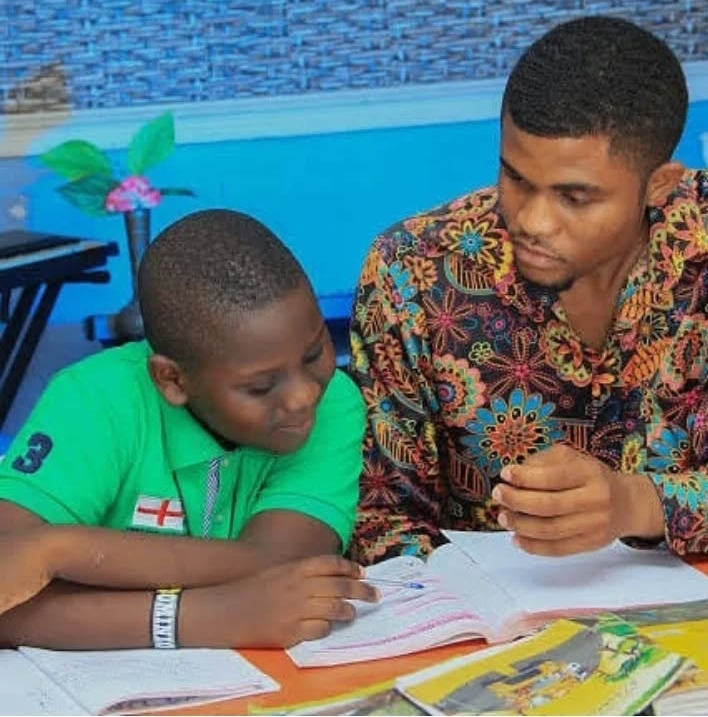
Critical thinking becomes stronger when children apply knowledge to practical situations. Home Tutors in Miller Road regularly connect classroom concepts with everyday experiences so learners understand how academic knowledge can solve real-world problems. These practical activities make lessons more engaging while encouraging logical reasoning.
For instance, a tutor may ask a child to calculate the total cost of groceries within a specific budget, helping them apply Mathematics to everyday financial decisions. Similarly, a Science lesson about water conservation may involve discussing ways families can reduce water waste at home, encouraging practical thinking and responsible decision-making.

Home Tutors in Bompai GRA Promote Discussion and Healthy Debate
Constructive discussion teaches children to listen carefully, express ideas clearly, and respect different viewpoints. During tutoring sessions, learners are encouraged to explain their reasoning, defend their opinions with evidence, and consider alternative perspectives. These conversations strengthen communication while developing analytical thinking.
For example, a tutor may ask whether technology has improved education and encourage the student to support their opinion with examples. Likewise, after reading a story, the learner may discuss whether the main character made the right decision, considering different viewpoints before reaching a conclusion.

Home Tutors in Nassarawa GRA Strengthen Decision-Making Skills
Critical thinking involves making informed decisions based on evidence rather than guesswork. Tutors present learners with scenarios that require careful evaluation, encouraging them to consider consequences before choosing the most appropriate solution. This skill benefits children both academically and personally.
For example, a learner may compare two methods of solving the same Mathematics problem before deciding which approach is more efficient. Likewise, during a Social Studies lesson, a student may analyse different community development projects before recommending the most beneficial option.
Benefits of Encouraging Children to Ask Questions
Children who ask thoughtful questions often perform better academically because they develop deeper understanding rather than relying solely on memorization. They also become more confident communicators, better problem-solvers, and more enthusiastic learners. These qualities contribute to long-term success in school, higher education, and future careers.
For example, a learner who regularly asks questions during English lessons gradually develops stronger writing and speaking abilities because misunderstandings are corrected early. Similarly, a student who frequently seeks clarification during Science classes becomes more confident when conducting practical investigations and presenting findings.
Long-Term Benefits of Critical Thinking
Children who develop strong critical-thinking skills often perform better academically because they understand concepts more deeply and apply knowledge more effectively. They also become better communicators, more confident decision-makers, and more adaptable learners capable of handling new challenges throughout life.
For example, a student who regularly analyses information during tutoring sessions may perform confidently during school debates because they can organise ideas logically and support arguments with evidence. Similarly, a learner who practises solving unfamiliar problems develops the confidence to approach challenging examination questions without panic.
One of the most effective habits successful students develop is the ability to ask meaningful questions. While many children believe that asking questions is a sign of weakness, it is actually one of the strongest indicators of curiosity, confidence, and a genuine desire to learn. Students who ask questions are more engaged in the learning process because they actively seek understanding instead of simply memorizing information. At Outstanding Performance Home Tutors, we encourage every learner to become an active participant in lessons by asking thoughtful questions that deepen understanding and improve academic performance.
For example, a Primary Five pupil who asks why a fraction must be simplified gains a clearer understanding of mathematical concepts than a child who simply follows a procedure without explanation. Similarly, a Senior Secondary student who asks how a scientific formula is derived develops stronger analytical skills than one who only memorizes the formula for examinations.

Asking Questions Deepens Understanding
When children ask questions, they move beyond surface-level learning and begin to understand the reasons behind concepts. Instead of memorizing facts temporarily, they build lasting knowledge by connecting new ideas with what they already know. This deeper understanding improves classroom participation and helps students remember information for longer periods.
For instance, a child learning English Language who asks why punctuation changes the meaning of a sentence develops better writing skills over time. Likewise, a student studying Geography who asks how climate affects agriculture gains a broader understanding of the relationship between weather patterns and food production.
Questions Help Identify Learning Gaps
Many students struggle academically because they keep their confusion to themselves. Asking questions allows teachers and tutors to identify misunderstandings early and provide immediate clarification before small problems become major academic challenges. Early intervention often prevents frustration and improves confidence.
For example, a learner who asks for clarification about algebraic equations can receive additional practice before moving on to more advanced topics. Similarly, a pupil who asks about unfamiliar vocabulary during a reading lesson improves comprehension and expands their language skills.
Asking Questions Strengthens Critical Thinking
Thoughtful questions encourage children to analyse information, evaluate different possibilities, and develop logical conclusions. Rather than accepting every idea at face value, students learn to investigate, compare evidence, and justify their opinions. These critical-thinking skills contribute to better academic performance across all subjects.
For example, a student may ask why two historical events produced different outcomes despite having similar causes, leading to deeper historical analysis. Likewise, a Science learner may ask why certain materials react differently during an experiment, encouraging observation and scientific reasoning.
Questions Improve Classroom Participation
Students who regularly ask questions become more engaged during lessons because they actively contribute to discussions. Participation helps learners maintain concentration, develop communication skills, and gain confidence when expressing ideas before teachers and classmates.
For instance, a child who asks questions during a Literature lesson becomes more comfortable discussing characters and themes. Similarly, a student who seeks clarification during a Mathematics class is more likely to participate confidently when solving problems on the board.
Asking Questions Builds Confidence
Every meaningful question answered successfully increases a child’s confidence in their ability to learn. As children realize that seeking clarification leads to greater understanding, they become less afraid of making mistakes and more willing to tackle challenging subjects. Confidence often translates into improved academic performance and greater enthusiasm for learning.
For example, a learner who once hesitated to ask about grammar rules may gradually become one of the strongest English students in class after receiving regular explanations. Likewise, a child who initially feared Mathematics may become more confident after discovering that asking questions leads to better understanding and higher test scores.
Questions Encourage Independent Learning
Children who ask questions develop habits that extend beyond the classroom. They learn how to research information, evaluate sources, and solve problems independently instead of relying entirely on teachers or parents. These lifelong learning skills prepare them for higher education and future careers.
For instance, a student preparing a school project may ask additional questions before conducting independent online research to gather reliable information. Similarly, a learner studying Economics may investigate current market trends after asking how inflation affects everyday purchasing decisions.
Asking Questions Improves Examination Performance
Students who understand concepts thoroughly perform better during examinations because they can apply knowledge in unfamiliar situations. Rather than memorizing isolated facts, they develop flexible thinking that enables them to interpret questions accurately and provide well-reasoned answers.
For example, a WAEC candidate who asks several questions while revising Organic Chemistry is more likely to solve unfamiliar examination questions confidently. Likewise, a JAMB student who seeks clarification about comprehension techniques often answers English passages more accurately under examination conditions.
Parents and Tutors Play an Important Role
Parents and tutors should create an environment where questions are welcomed rather than discouraged. Children who know their curiosity will be respected become more willing to seek clarification and participate actively in learning. Positive reinforcement encourages continuous intellectual growth and builds lasting confidence.
For instance, a parent who patiently answers questions during homework helps a child develop a positive attitude toward learning. Similarly, a tutor who praises thoughtful questions encourages students to remain curious and engaged throughout every lesson.
How Outstanding Performance Home Tutors Encourage Curiosity
At Outstanding Performance Home Tutors, we believe that every question is an opportunity for deeper learning. Our experienced tutors create supportive learning environments where students feel comfortable asking questions, expressing opinions, and exploring new ideas. Through personalized lessons, interactive discussions, and practical activities, we help children become confident learners who enjoy discovering knowledge independently.
Whether your child needs support in Mathematics, English Language, Sciences, Commercial subjects, or preparation for WAEC, NECO, JAMB, IGCSE, SAT, and Cambridge examinations, our tutors encourage curiosity while building the academic skills needed for lasting success.
The Role of Parents in Raising Independent Learners
Parents are a child’s first and most influential teachers. Long before children enter formal education, they learn attitudes toward learning by observing the adults around them. Parents who encourage curiosity, praise effort, and create positive learning environments help children develop confidence and a love for learning. Rather than providing immediate answers to every question, effective parents guide children toward discovering solutions through observation, discussion, and research.
For example, when a child asks how rain forms, a parent can encourage them to explore books or educational videos before discussing the answer together. Likewise, if a child struggles with a Mathematics problem, the parent can ask guiding questions that help the learner identify the correct method instead of solving the problem on their behalf.
Parents also play an essential role in establishing routines that support consistent learning. Creating regular study schedules, limiting unnecessary distractions, and providing access to educational materials help children develop discipline and effective study habits. These routines gradually teach learners to manage their own time and take responsibility for academic tasks.
For instance, a family may establish a daily reading period after dinner during which every member reads quietly. Similarly, parents may encourage their child to prepare school materials each evening, reducing morning stress while promoting organisation and independence.
Every parent wants to see their child succeed academically and develop the confidence to face life’s challenges independently. While schools play an important role in providing formal education, the combined efforts of parents and tutors often determine how well a child develops essential learning habits, problem-solving abilities, and self-confidence. Independent learners are not simply children who complete homework without assistance; they are young people who take responsibility for their education, think critically, ask meaningful questions, and seek solutions with confidence. At Outstanding Performance Home Tutors, we believe that raising independent learners requires a strong partnership between parents, tutors, and students working toward a common goal.
For example, a Primary School pupil who learns to organise their homework without constant reminders gradually develops responsibility and discipline. Likewise, a Secondary School student who researches additional information after completing classroom assignments becomes more confident in independent learning and critical thinking.
The Role of Tutors in Developing Independent Learners
Professional tutors provide personalized instruction that complements classroom teaching while encouraging students to become active participants in their own education. Rather than focusing solely on improving examination scores, experienced tutors help learners understand concepts deeply, develop critical-thinking skills, and build confidence in solving unfamiliar problems independently.
For example, a tutor teaching English Language may encourage a student to analyse a comprehension passage before discussing possible answers together. Likewise, a Mathematics tutor may ask the learner to explain each step used to solve an equation, helping identify mistakes while strengthening logical reasoning.
Tutors also help children develop effective learning strategies that can be applied across multiple subjects. They teach note-taking techniques, revision methods, examination preparation skills, and time management practices that encourage learners to take greater ownership of their academic progress.
For instance, a tutor may show a Secondary School student how to summarize lengthy Biology chapters into concise revision notes for easier review. Similarly, a Primary School learner may be taught how to organise homework using a simple checklist that promotes responsibility and consistency.
Creating a Partnership Between Parents and Tutors
The most successful educational outcomes occur when parents and tutors work together as partners. Regular communication allows both parties to share observations, monitor progress, and identify areas where additional support may be needed. Consistent expectations between home and tutoring sessions create a stable learning environment that encourages children to develop positive habits and greater independence.
For example, a tutor may recommend daily reading exercises after identifying weaknesses in comprehension, while parents reinforce this recommendation by providing suitable books and encouraging regular practice. Likewise, parents may inform the tutor that a child becomes anxious before tests, enabling the tutor to introduce confidence-building activities and examination strategies.
Helping Children Learn from Mistakes
Mistakes are valuable learning opportunities rather than signs of failure. Parents and tutors who respond calmly to errors help children develop resilience, perseverance, and a growth mindset. Instead of fearing mistakes, independent learners begin to view them as opportunities for improvement and deeper understanding.
For instance, a child who incorrectly solves a Mathematics problem can review each step with a tutor to identify where the mistake occurred. Likewise, a student who receives low marks in an English essay can revise the work after constructive feedback, gradually improving writing skills and confidence.
Conclusion
At Outstanding Performance Home Tutors, we believe that every meaningful question opens the door to deeper learning. Our experienced Home Tutors in Hotoro GRA are committed to creating supportive, engaging, and personalised learning environments where children feel confident exploring ideas, expressing opinions, and seeking knowledge. By encouraging curiosity, celebrating thoughtful questions, and developing independent thinking, we help learners achieve academic excellence while preparing them for lifelong success.
- Our Tutoring Services
- Book a Home Tutor
- Subjects We Offer
- Contact Us
- Khan Academy – https://www.khanacademy.org
- WAEC Nigeria – https://www.waecnigeria.org
- JAMB – https://www.jamb.gov.ng
- Cambridge International – https://www.cambridgeinternational.org