HOME TUTORS IN VICTORIA ISLAND: 20 WAYS TO UNDERSTAND YOUR CHILD’S LEARNING STYLE
HOME TUTORS IN VICTORIA ISLAND: WHY LEARNING STYLE MATTERS
Home Tutors in Victoria Island work closely with families who value excellence, structure, and intentional parenting. In high-performing environments like Victoria Island, Ikoyi, Banana Island, and Lekki Phase 1, academic success is not left to chance—it is carefully nurtured.
One of the most powerful tools elite parents use today is understanding how their child learns, not just what they learn.

Every child is unique. Some learn best by seeing, others by listening, touching, discussing, or practicing. When parents and tutors align teaching methods with a child’s learning style, confidence rises, frustration reduces, and results improve.
This guide reveals 20 practical, parent-friendly ways—used by home tutors in Victoria Island, best home tutors in Ikoyi, and best home lesson teachers in Lekki Lagos—to understand your child’s learning style.
WHAT IS A LEARNING STYLE?
A learning style refers to how a child best absorbs, processes, and retains information. The most common learning styles include:
-
Visual learners
-
Auditory learners
-
Kinesthetic learners
-
Reading/Writing learners
Professional home tutors in Victoria Island assess these styles early and adapt lessons accordingly—something overcrowded classrooms often fail to do.
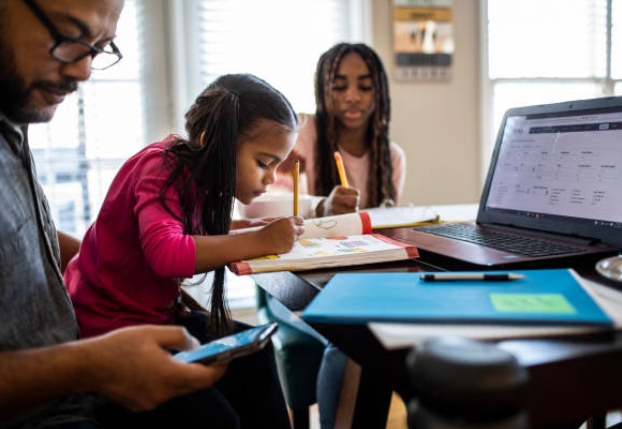
20 WAYS HOME TUTORS IN VICTORIA ISLAND HELP YOU UNDERSTAND YOUR CHILD’S LEARNING STYLE
1. Observe How Your Child Solves Problems
Children reveal their learning style when faced with challenges. Do they draw, talk aloud, move around, or read instructions repeatedly? Home tutors in Victoria Island pay close attention to these cues.
2. Watch Their Homework Behavior
Do they prefer diagrams, verbal explanations, or hands-on practice? This insight helps best home lesson teachers in Lekki Lagos personalize learning.

3. Listen to How They Explain Concepts
Children often teach back in their preferred style. Best home tutors in Ikoyi / Banana Island rely heavily on this technique.
4. Notice Their Attention Span
Visual learners focus longer with charts; auditory learners engage during discussions. Expert home tutors in Anthony use this to adjust lesson length and format.
5. Ask Open-Ended Questions
Instead of “Did you understand?”, ask “How would you explain this to a friend?”—a method widely used by home tutors in Victoria Island.
6. Use Trial-and-Error Teaching Methods
Expose your child to videos, storytelling, writing, and hands-on tasks to see which clicks fastest.
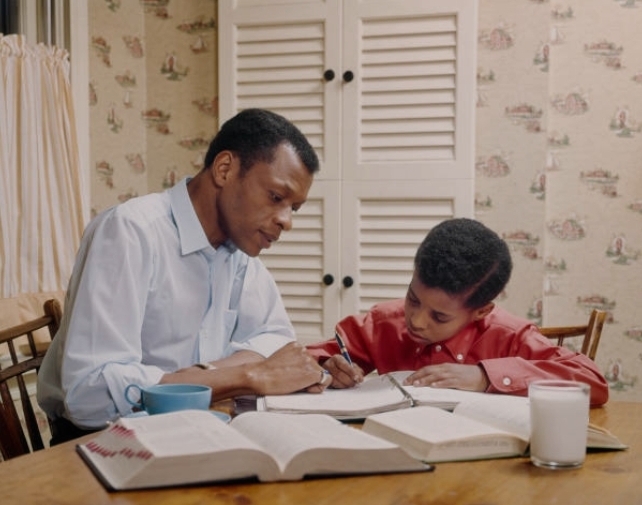
7. Monitor Emotional Reactions to Learning
Frustration often signals a mismatch between teaching style and learning style.
8. Pay Attention to Play Preferences
Building blocks, storytelling, role-play, or drawing can reveal learning tendencies.
9. Review School Feedback Carefully
Teacher comments often hint at how your child processes information.
10. Use Simple Learning Style Assessments
Professional home tutors in Victoria Island often administer informal assessments during onboarding.
HOW HOME TUTORS IN VICTORIA ISLAND ADAPT TEACHING METHODS
11. Visual Learning Support
Charts, flashcards, mind maps, and animations are common tools used by best home tutors in Ikoyi.
12. Auditory Learning Techniques
Discussions, storytelling, debates, and recorded explanations help auditory learners thrive.
13. Kinesthetic Learning Strategies
Hands-on experiments, movement, and practical examples—frequently used by best home lesson teachers in Lekki Lagos.
14. Reading/Writing Reinforcement
Journals, summaries, and written exercises strengthen comprehension.
15. One-on-One Feedback
Unlike group classes, home tutors in Victoria Island give immediate, personalized feedback.
16. Flexible Lesson Structure
Elite tutors adjust pace, duration, and delivery method based on daily performance.
17. Confidence-Building Techniques
Understanding learning style reduces comparison, boosting self-esteem.
18. Parent-Tutor Collaboration
Regular feedback sessions help parents reinforce learning at home.
19. Long-Term Academic Planning
Learning style awareness informs subject selection and career interests.
20. Continuous Reassessment
Children evolve. The best home tutors in Ikoyi / Banana Island reassess learning styles as children grow.
WHY AFFLUENT PARENTS CHOOSE HOME TUTORS IN VICTORIA ISLAND
Families in Victoria Island, Ikoyi, Banana Island, Lekki Phase 1, and Anthony prefer private home tutoring because it offers:
-
Individualized attention
-
Safer learning environments
-
Flexible scheduling
-
Customized academic strategies
According to educational research by Edutopia and Verywell Mind, personalized learning significantly improves academic outcomes when aligned with learning styles.
(DoFollow External Links Recommended)
FINAL THOUGHTS
Home Tutors in Victoria Island do more than teach subjects—they unlock how your child learns best. When learning feels natural, children become confident, curious, and consistent achievers.
Whether you live in Victoria Island, Ikoyi, Banana Island, Lekki Lagos, or Anthony, investing in the right home tutor can redefine your child’s academic journey.
📩 Call to Action
Looking for experienced home tutors in Victoria Island who understand your child’s learning style?
📞 Contact us today for a personalized assessment.

20 Ways to Understand Your Child’s Learning Style
Every child learns in a unique way. As parents, understanding your child’s learning style can help you support their education more effectively.
Outstanding Performance Home Tutors believe that when parents recognize how their children absorb and process information, they can create a learning environment that fosters success.
Here are 20 ways to understand your child’s learning style, with practical examples to help you apply each one.
1. Observe Their Interests
Pay attention to what naturally captures your child’s attention. If they love books, they may be a verbal learner. If they enjoy building with blocks, they might be a hands-on (kinesthetic) learner.
2. Notice How They Explain Things
When your child explains something, do they prefer to talk about it, show it with gestures, or draw a picture? A child who talks through ideas may be an auditory learner, while one who draws prefers a visual approach.
3. Watch Their Playtime Activities
If your child enjoys puzzles and problem-solving games, they may be a logical-mathematical learner. If they prefer role-playing games, they could be social (interpersonal) learners who enjoy interaction.
4. Listen to How They Ask for Help
Some children ask for verbal instructions, others want a demonstration, and some prefer to figure things out independently. This can reveal whether they are auditory, visual, or kinesthetic learners.
5. Experiment with Different Teaching Methods
Try teaching the same concept in multiple ways—reading aloud, using visuals, or engaging in hands-on activities. If your child responds best to one method, that’s their dominant learning style.
6. Check Their Reading Preferences
A child who loves fiction and storytelling may be a verbal learner, while one who enjoys picture books and diagrams may be a visual learner.
7. See How They Remember Information
If your child recalls things better by hearing them, they are likely an auditory learner. If they remember images or written notes, they may be visual learners.
8. Observe Their Note-Taking Habits
Some children take detailed notes with sketches and diagrams (visual learners), while others write key points in their own words (verbal learners).
9. Pay Attention to Their Energy Levels
Kinesthetic learners often have high energy and may struggle to sit still for long periods, while auditory and visual learners may be more comfortable with traditional study methods.
10. Identify Their Problem-Solving Approach
If your child talks through problems, they might be an auditory learner. If they draw a diagram or write steps, they may be a visual or logical learner.
11. Observe How They Interact with Others
Social learners thrive in group settings and enjoy discussion, while solitary learners prefer to work independently.
12. Ask Them How They Like to Learn
Simply asking your child, “Do you like learning by listening, watching, or doing?” can give you valuable insights into their preferences.
13. Notice Their Reaction to Music
Some children learn better with background music, which suggests they have a musical learning style. Others find it distracting, meaning they may prefer silence.
14. Assess Their Writing Style
A child who enjoys storytelling and journaling may be a linguistic learner, while one who prefers writing factual reports may be a logical-mathematical learner.
15. Watch How They Handle Instructions
If your child follows verbal instructions easily, they are likely an auditory learner. If they need to see an example first, they might be a visual or kinesthetic learner.
16. Analyze Their Art Preferences
Children who love drawing, coloring, or designing may learn best through visual representation, indicating a strong visual-spatial learning style.
17. Observe Their Response to Hands-On Activities
If your child enjoys experiments, crafts, or interactive projects, they are likely a kinesthetic learner.
18. Test Their Response to Group Learning
Some children excel in group discussions and collaborative projects, while others prefer independent study, revealing their social or solitary learning style.
19. Encourage Different Learning Environments
Let your child study in various settings—quiet rooms, outdoor spaces, or interactive study groups—to see where they learn best.
20. Be Open to Change
Children’s learning styles can evolve as they grow. Stay flexible and adjust their learning methods as needed.
By understanding and supporting your child’s learning style, you can help them develop confidence and excel academically.
Outstanding Performance Home Tutors encourages parents to embrace these insights and create a learning environment tailored to their child’s strengths.
Sincerely,
Joshua Olarinde
Director of Studies
Outstanding Performance Home Tutors
+23480857700009
info@optutors.com.ng
www.optutors.com.ng