

EXPERIENCED PRIVATE HOME TUTORS IN IKEJA GRA: 14 STRATEGIES TO HELP YOUR CHILD WITH MATH HOME WORK
Discover experienced private home tutors in Ikeja GRA and explore 14 strategies to help your child succeed in math homework with confidence and ease. Experienced private home tutors in Ikeja GRA understand that Mathematics can be challenging for many children, especially when it comes to homework. In high-standard environments like Ikeja GRA, parents are increasingly seeking structured academic support to help their children succeed.
With the guidance of experienced private home tutors in Ikeja GRA, children not only complete their homework but also build confidence, problem-solving skills, and a deeper understanding of mathematical concepts.
Table of Contents
- Why Math Homework Can Be Difficult
- Importance of Professional Tutoring
- 14 Strategies to Help Your Child with Math Homework
- Benefits of Hiring Experienced Tutors
- External Resources
- Internal Links
Why Math Homework Can Be Challenging
Many children struggle with Math homework due to:
- Gaps in foundational knowledge
- Lack of confidence
- Poor study habits
- Limited classroom attention
Experienced private home tutors in Ikeja GRA help identify these issues early and provide tailored solutions.
Why Choose Experienced Private Home Tutors in Ikeja GRA
Parents trust experienced private home tutors in Adeniyi Jones because they provide:
- Personalized attention
- Flexible schedules
- Targeted learning strategies
- Consistent academic improvement
14 Strategies to Help Your Child with Math Homework
1. Create a Structured Homework Routine with Experienced Private Home Tutors in Ikeja GRA
Consistency helps children stay focused and disciplined.
Example: Studying Math daily at 5pm builds a strong habit.
2. Provide a Quiet Study Environment
A distraction-free space improves concentration.
Example: A calm room without TV allows better focus.

3. Break Problems into Smaller Steps
Large problems become easier when divided into parts.
Example: Solving equations step-by-step reduces confusion.
4. Encourage Active Participation
Let children attempt solutions before offering help.
Example: Asking them to explain their thinking improves understanding.
5. Use Visual Aids
Charts and diagrams simplify complex topics.
Example: Drawing shapes helps in understanding geometry.
6. Practice Regularly with Experienced Private Home Tutors in Ikeja GRA
Frequent practice improves mastery.
Example: Solving 10 problems daily strengthens skills.
7. Focus on Weak Areas
Identify and improve difficult topics.
Example: Extra practice on fractions improves performance.
8. Encourage Questions
Children should feel free to ask questions.
Example: Clarifying doubts prevents long-term confusion.
9. Use Real-Life Examples
Relating Math to daily life makes it easier to understand.
Example: Calculating change during shopping.
10. Maintain a Positive Attitude
Confidence helps children overcome fear.
Example: Encouraging words reduce anxiety.
11. Take Short Breaks
Breaks prevent mental fatigue.
Example: 5-minute rest after 30 minutes of study.
12. Monitor Progress with Experienced Private Home Tutors in Ikeja GRA
Tracking improvement helps identify growth.
Example: Weekly reviews show progress.
13. Collaborate with Tutors
Parents and tutors should work together.
Example: Sharing feedback improves learning strategies.
14. Celebrate Achievements
Recognizing effort boosts motivation.
Example: Praising correct answers builds confidence.

Benefits of Experienced Private Home Tutors in Omole Phase 2
With experienced private home tutors in Omole Phase 1, children gain:
- Better understanding of Math
- Improved academic performance
- Increased confidence
- Strong problem-solving skills
- Our Tutoring Services
- Book a Home Tutor
- Contact Us
Final Thoughts
Academic success in Mathematics requires the right support system. With the help of experienced private home tutors in Gbagada, your child can overcome challenges and achieve excellence.

Get Started Today
Outstanding Performance Home Tutors are trusted as experienced private home tutors in Maryland, ready to help your child succeed.
👉 Contact us today and give your child the academic advantage they deserve.
Experienced private home tutors in Magodo GRA Phase 2 Shangisha understand that Mathematics can be a source of frustration for many children, especially when homework becomes overwhelming. In well-structured environments like Ikeja GRA, many parents are now turning to personalized tutoring to support their children’s academic journey. For instance, a child who repeatedly struggles with long division at home may begin to feel discouraged, but with guided support, the same child can gradually master the concept. Similarly, a student who avoids word problems due to confusion can, with proper tutoring, learn how to break them down and solve them confidently.
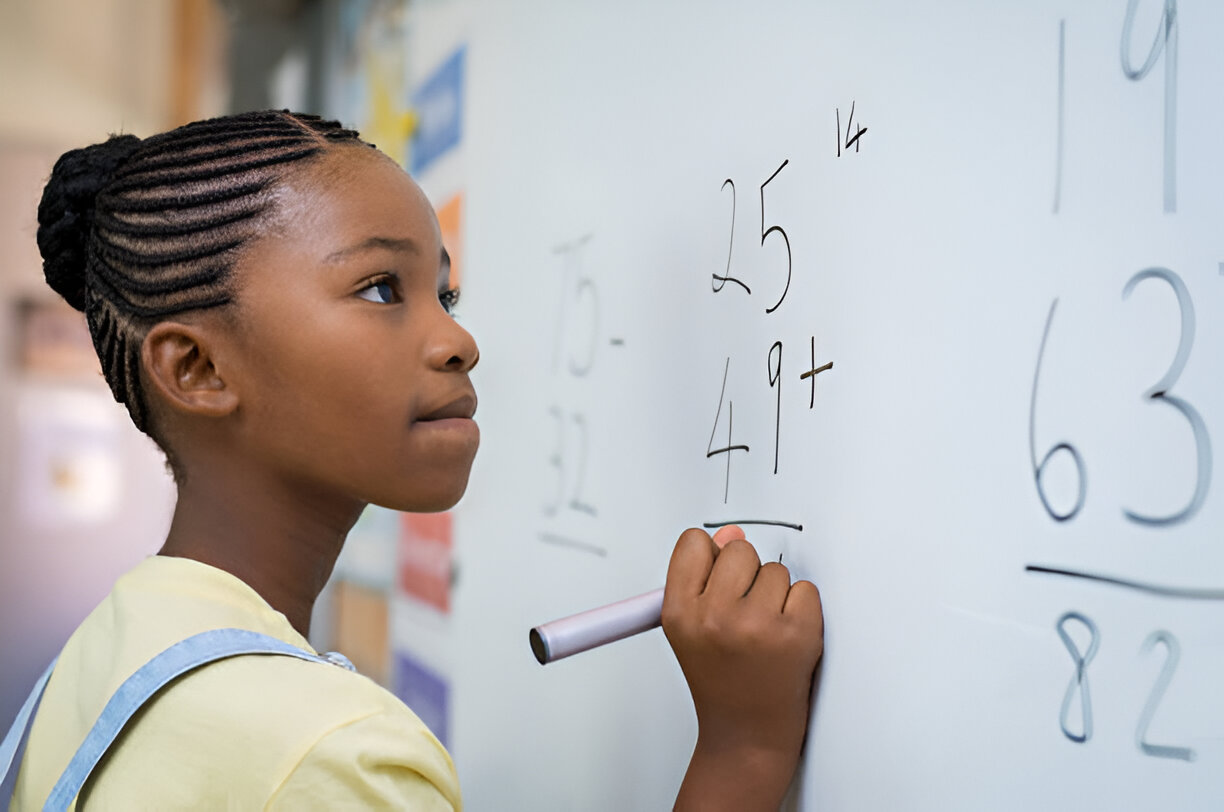
With the right guidance, children not only complete their assignments but also develop confidence, critical thinking skills, and a deeper understanding of mathematical concepts. For example, a pupil who once depended on guesswork may begin to approach problems logically, while another who feared tests can start attempting questions with confidence after consistent support.
Why Math Homework Can Be Challenging
Many children find Math homework difficult due to gaps in foundational knowledge, lack of confidence, ineffective study habits, or limited classroom attention. For example, a child who never fully understood basic multiplication may struggle with more advanced topics like fractions. In another case, a student who is shy in class may avoid asking questions, leading to confusion that shows up during homework time.
Why Choose Experienced Private Home Tutors in Ikeja GRA
Parents often prefer structured tutoring because it offers personalized attention, flexible schedules, and targeted teaching strategies that address each child’s specific needs. For example, a tutor can focus extra time on algebra for a student who finds it difficult, while another child may receive additional practice in geometry. In the same way, a busy family can arrange lessons in the evening, ensuring learning fits seamlessly into their routine.
14 Strategies to Help Your Child with Math Homework
Creating a structured homework routine helps children build discipline and consistency over time. For example, a child who studies Math every evening at a fixed time gradually develops a strong habit, while another who follows a weekly timetable becomes more organized and less anxious about assignments.
Providing a quiet and distraction-free study environment improves concentration significantly. For instance, a child studying in a calm room without television distractions can focus better, while another who uses a well-organized desk is able to complete tasks more efficiently.
Breaking problems into smaller, manageable steps makes complex questions easier to understand. For example, solving an equation step by step helps a child avoid confusion, while dividing a word problem into parts allows another student to identify what is being asked clearly.

Encouraging active participation ensures that children truly understand what they are learning. For instance, asking a child to explain their solution helps reinforce knowledge, while allowing them to attempt questions independently builds confidence.
Using visual aids can simplify abstract concepts and make learning more engaging. For example, drawing diagrams can help a child understand geometry, while charts and number lines can make fractions easier to grasp.
Regular practice strengthens understanding and builds mastery over time. For instance, solving a set number of problems daily improves speed and accuracy, while revising previous topics helps another child retain what they have learned.
Focusing on weak areas allows children to improve their overall performance. For example, a student who struggles with decimals can receive targeted practice, while another who finds ratios difficult can work through additional exercises to build confidence.
Encouraging children to ask questions helps clear confusion early. For instance, a child who asks for clarification on a difficult topic avoids long-term misunderstanding, while another who feels comfortable asking questions becomes more engaged in learning.
Relating Math to real-life situations makes it more meaningful and easier to understand. For example, calculating change during shopping helps a child apply arithmetic, while measuring ingredients during cooking teaches practical use of numbers.
Maintaining a positive attitude toward learning helps reduce fear and anxiety. For instance, encouraging words from a parent can boost a child’s confidence, while celebrating effort rather than perfection motivates another child to keep trying.
Taking short breaks during study sessions helps maintain focus and prevent mental fatigue. For example, a child who takes a short break after studying returns refreshed, while another who stretches or relaxes briefly is able to concentrate better afterward.
Monitoring progress regularly helps track improvement and identify areas that need attention. For instance, reviewing weekly test results can show growth, while comparing past and current performance helps a child stay motivated.
Collaborating with tutors ensures a consistent and supportive learning approach. For example, parents who communicate with tutors can reinforce lessons at home, while tutors who receive feedback can adjust teaching methods to suit the child.
Celebrating achievements, no matter how small, builds motivation and confidence. For instance, praising a child for solving a difficult problem encourages them to keep improving, while recognizing consistent effort helps another child stay committed to learning.
Promoting active involvement in learning helps children grasp concepts more effectively. For example, when a child is encouraged to explain how they arrived at an answer, it strengthens their understanding, while giving them the opportunity to solve problems on their own helps build self-confidence.
Incorporating visual tools can make complex ideas easier to comprehend and more interesting. For instance, sketching shapes can improve a child’s understanding of geometry, while using number lines or charts can make topics like fractions clearer and more relatable.
Consistent practice plays a key role in developing mastery over time. For example, working through a few problems every day can improve both speed and accuracy, while revisiting previously learned topics helps reinforce knowledge and prevent forgetting.
Paying attention to areas of difficulty helps children improve overall performance. For instance, a child struggling with decimals can benefit from focused exercises, while another who finds ratios challenging can gain confidence through extra guided practice.
Encouraging curiosity by allowing children to ask questions helps eliminate confusion early. For example, a child who seeks clarification on a difficult concept avoids long-term misunderstanding, while another who feels comfortable asking questions becomes more engaged and confident in learning.
Connecting Mathematics to everyday experiences makes it more practical and easier to understand. For instance, calculating change during shopping helps a child apply arithmetic skills, while measuring ingredients in the kitchen introduces real-life applications of numbers.
Maintaining a supportive and positive learning environment reduces fear and builds confidence. For example, kind words from a parent can reassure a child, while recognizing effort instead of focusing only on correct answers motivates them to keep improving.
Allowing short breaks during study time helps maintain concentration and prevent mental exhaustion. For instance, a child who pauses briefly after studying can return refreshed, while another who stretches or relaxes momentarily can refocus more effectively.
Regularly tracking progress helps identify improvements and areas that need attention. For example, reviewing test scores weekly can highlight growth, while comparing past and present performance encourages continued effort.
Working closely with tutors ensures a consistent and supportive approach to learning. For instance, parents who stay in touch with tutors can reinforce lessons at home, while tutors who receive feedback can adjust their teaching methods to suit the child’s needs.
Recognizing achievements, no matter how small, boosts motivation and self-belief. For example, praising a child for solving a challenging question encourages further effort, while acknowledging steady improvement helps maintain commitment to learning.
Benefits of Experienced Private Home Tutors in Magodo GRA Phase 1
With structured academic support, children gain a better understanding of Mathematics, improved academic performance, increased confidence, and stronger problem-solving skills. For example, a child who once struggled with basic calculations may begin to solve problems independently, while another who feared exams may start achieving higher scores after consistent tutoring.
- Our Tutoring Services
- Book a Home Tutor
- Contact Us
Final Thoughts
Achieving success in Mathematics requires patience, consistency, and the right support system. With proper guidance, children can overcome their challenges and develop confidence in their abilities. For example, a student who once avoided Math homework may begin to enjoy solving problems, while another who struggled academically may gradually become one of the top performers in class.
Get Started Today
Providing the right support at the right time can transform your child’s academic journey. For instance, enrolling your child in structured tutoring can lead to steady improvement, while consistent guidance can help them build skills that last a lifetime.
👉 Contact us today and give your child the academic advantage they deserve.