

Private Home Tutors in Abuja: 15 Strategies to Use Rewards and Incentives in Your Child’s Learning
Discover how Private Home Tutors in Abuja use rewards and incentives to boost learning motivation, confidence, and academic performance in children.
Every parent desires to see their child become a confident learner who approaches schoolwork with enthusiasm rather than fear. Unfortunately, many children lose interest in studying because they associate learning with pressure instead of achievement. Private Home Tutors in Abuja have consistently observed that children perform significantly better when they receive positive reinforcement that recognizes their effort, perseverance, and progress instead of focusing solely on examination scores.

For example, a Primary Five pupil in Maitama who receives praise after completing a challenging Mathematics assignment is more likely to tackle the next exercise with confidence. Likewise, a Junior Secondary student in Asokoro who earns extra reading time or a family outing after consistently finishing homework often develops stronger study habits than a child who studies only to avoid punishment.

Rewards and incentives should never be viewed as bribery. Instead, they serve as practical tools that encourage responsibility, discipline, and intrinsic motivation when applied correctly. Children who experience encouragement gradually begin to appreciate the joy of learning, making academic success a natural outcome rather than an obligation.

For instance, a child living in Guzape may become excited about improving reading comprehension after receiving a new storybook for completing weekly goals. Similarly, a student in Wuse II who earns recognition for steady improvement rather than perfect grades often develops resilience and persistence that extend beyond the classroom.
At Outstanding Performance Home Tutors, we believe every child possesses remarkable potential waiting to be unlocked through personalized guidance, parental involvement, and consistent motivation. Whether your family resides in Jabi, Katampe Extension, Gwarinpa, Life Camp, Kado, or Lokogoma, implementing thoughtful reward systems can transform your child’s attitude toward learning and create lasting academic success.

Why Rewards Matter in Learning
Private Home Tutors in Abuja Recommend Positive Reinforcement
Children naturally repeat behaviors that produce positive outcomes. When effort is acknowledged, learning becomes an enjoyable experience instead of a stressful obligation. Positive reinforcement strengthens confidence while helping children understand that persistence produces meaningful results.
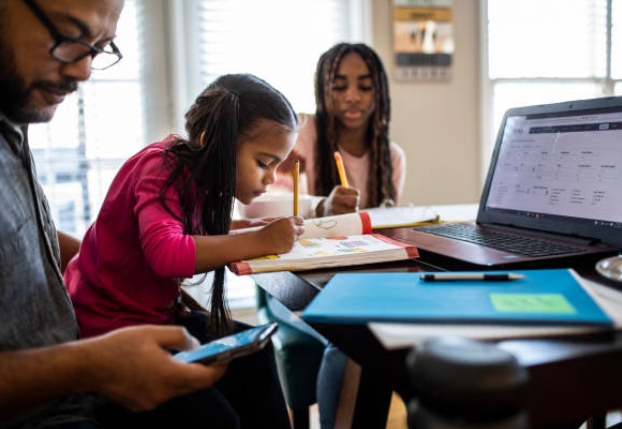
For example, a Year Six pupil in Life Camp who receives verbal praise after solving difficult fractions becomes more willing to attempt similar questions independently. Likewise, a teenager preparing for WAEC in Katampe Extension may develop stronger revision habits after earning extra recreational time for completing weekly study targets.
Rather than emphasizing mistakes, parents should focus on celebrating improvement. This creates an atmosphere where children are comfortable asking questions, taking academic risks, and learning from errors without fear of criticism.

For instance, a child in Gwarinpa who improves from 55% to 72% in English deserves recognition for consistent effort, while another child in Jabi who completes homework independently for an entire week should also receive encouragement despite not achieving perfect scores.
Private Home Tutors in Abuja Strategy 1: Understand What Motivates Your Child
Every child is unique, meaning that rewards should reflect individual personalities and interests rather than following a standard approach. Some children appreciate public recognition, while others prefer quiet praise or extra family time.
For example, an eight-year-old in Maitama may become highly motivated after receiving colorful stickers for completing daily reading exercises. On the other hand, a twelve-year-old in Asokoro might value choosing the family’s weekend activity after maintaining a consistent study schedule throughout the week.

Parents should spend time observing what genuinely excites their children instead of assuming that expensive gifts are the best incentives. Emotional rewards often create stronger and longer-lasting motivation than material possessions.
For instance, a child in Wuse II may treasure having dinner with parents at a favorite restaurant more than receiving a toy, while another child in Guzape may prefer spending extra time playing football with family members after successfully completing assignments.
Private Home Tutors in Abuja Strategy 2: Reward Effort Instead of Perfection
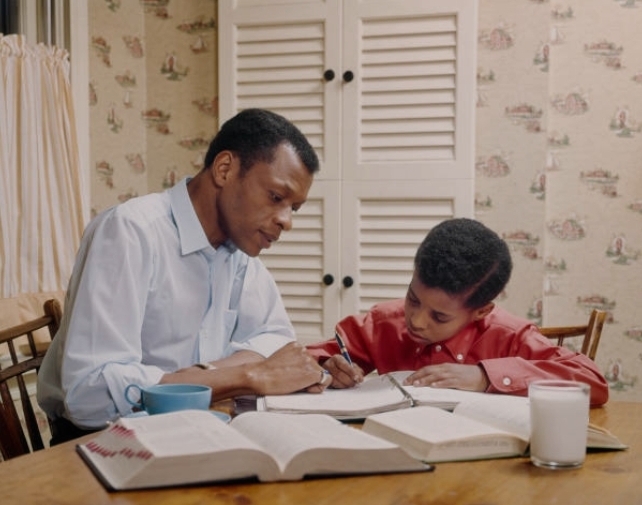
One of the biggest mistakes parents make is rewarding only excellent grades. This approach may discourage children who are trying hard but still struggling academically. Recognizing effort teaches resilience and encourages continuous improvement.
For example, a child in Jabi who studies diligently every evening deserves appreciation even if examination scores improve gradually. Likewise, a pupil in Life Camp who overcomes fear and participates actively during tutoring sessions should receive encouragement regardless of minor mistakes.
When children understand that dedication matters as much as achievement, they become less afraid of failure and more willing to embrace challenges.

For instance, a Secondary School student in Katampe Extension who completes every Mathematics assignment despite difficulties demonstrates admirable persistence. Similarly, a young learner in Lokogoma who practices reading aloud daily deserves recognition even before fluency is fully developed.
Private Home Tutors in Abuja Strategy 3: Set Clear and Achievable Learning Goals
Children perform better when expectations are clearly defined. Large academic tasks become manageable when broken into smaller milestones that can be achieved consistently.
For example, instead of expecting a child in Kado to finish an entire textbook within a week, parents can encourage completing two chapters every three days. Likewise, a pupil in Maitama preparing for entrance examinations may aim to solve fifteen Mathematics questions daily rather than attempting one hundred questions in a single sitting.
Clear goals reduce anxiety while allowing children to experience frequent success. Each completed milestone reinforces confidence and encourages continued effort.

For instance, a child in Gwarinpa may celebrate mastering multiplication tables before moving to fractions, while another learner in Asokoro can focus on improving essay writing one paragraph at a time instead of attempting complete compositions immediately.
Private Home Tutors in Abuja Strategy 4: Use Immediate Positive Reinforcement
Children respond best when rewards follow positive behavior without unnecessary delay. Immediate recognition strengthens the connection between effort and achievement.
For example, a child in Wuse II who completes homework before dinner may earn an extra thirty minutes of storytelling that same evening. Similarly, a student in Jabi who successfully solves complex science questions can receive verbal praise and a favorite healthy snack immediately after the lesson.
Immediate reinforcement makes learning more enjoyable and helps children develop positive associations with studying.
For instance, a Primary Three pupil in Life Camp who finishes reading practice could earn a family board game session, while another child in Katampe Extension may enjoy extra cycling time after completing revision without reminders.

Private Home Tutors in Abuja Strategy 5: Create a Reward Chart That Tracks Progress
Visual progress charts provide children with tangible evidence of their achievements and encourage consistency over time. Watching progress accumulate motivates learners to continue working toward larger goals.
For example, a child in Guzape may collect stars for every completed homework assignment until earning a weekend educational excursion. Likewise, a pupil in Lokogoma could receive stickers for each completed reading session, eventually exchanging them for a new novel or science kit.
Reward charts also teach patience by demonstrating that meaningful achievements require sustained effort rather than instant gratification.
For instance, a child in Maitama may work steadily toward earning twenty points over several weeks before choosing a museum visit, while another student in Gwarinpa patiently accumulates reading badges that eventually qualify for a family picnic celebrating academic progress.
- Our Tutoring Services
- Book a Private Home Tutor
- Mathematics Home Tutoring
- Online Tutoring Services
- Contact Outstanding Performance Home Tutors
- Khan Academy: https://www.khanacademy.org
- British Council LearnEnglish: https://learnenglish.britishcouncil.org
- UNICEF Parenting: https://www.unicef.org/parenting
Private Home Tutors in Abuja Strategy 6: Use Educational Rewards That Strengthen Learning
Rewards should not only motivate children but also contribute to their intellectual development. Educational incentives ensure that learning continues even after study sessions end.
For example, a child in Maitama who completes weekly reading goals can be rewarded with a new storybook or access to an educational app that improves vocabulary. Similarly, a student in Asokoro may receive a science experiment kit after showing consistent improvement in Mathematics and Physics.
Educational rewards create a cycle where motivation leads to learning, and learning leads to deeper curiosity. This ensures that children remain engaged beyond classroom or tutoring sessions.
For instance, a pupil in Guzape might enjoy receiving puzzle books that sharpen logical thinking, while another child in Wuse II may be rewarded with interactive learning videos that strengthen comprehension skills in English and Science.
Private Home Tutors in Abuja Strategy 7: Celebrate Small Wins Consistently
Many parents focus only on major academic achievements and overlook small improvements. However, consistent celebration of small wins builds long-term confidence and motivation.
For example, a child in Jabi who correctly completes five Mathematics questions after previously struggling deserves recognition. Similarly, a learner in Katampe Extension who improves handwriting or spelling accuracy should be praised for visible progress.
Small victories help children understand that success is built gradually rather than achieved instantly. This mindset is essential for academic resilience.
For instance, a pupil in Life Camp who reads one full chapter without assistance should be encouraged, while another child in Gwarinpa who remembers multiplication tables after repeated practice should be positively reinforced.
Private Home Tutors in Abuja Strategy 8: Rotate Different Types of Incentives
Using the same reward repeatedly can reduce its motivational impact. Rotating incentives keeps children interested and excited about learning.
For example, a child in Kado may receive extra playtime one week and a family movie night the next week. Similarly, a student in Lokogoma might earn a new stationery set one week and a park visit the next.
Variety ensures that rewards remain meaningful and prevents learning from becoming predictable or boring.
For instance, a child in Maitama may alternate between choosing dinner menus and receiving extra reading time, while another learner in Asokoro may switch between weekend outings and educational games as rewards.
Private Home Tutors in Abuja Strategy 9: Encourage Self-Motivation Over Time
While external rewards are useful, the long-term goal is to help children develop internal motivation. Children should gradually learn to feel proud of their achievements without relying solely on external incentives.
For example, a child in Wuse II may initially receive rewards for completing assignments but later begin studying independently because of personal satisfaction. Similarly, a student in Jabi may transition from reward-based learning to self-driven revision habits.
Self-motivation is the foundation of lifelong academic success and independence.
For instance, a pupil in Gwarinpa who once studied only for rewards may eventually enjoy reading for pleasure, while another child in Katampe Extension may begin solving extra problems voluntarily without expecting incentives.
Private Home Tutors in Abuja Strategy 10: Combine Rewards with Consistent Guidance from Tutors
Rewards are most effective when combined with structured academic support from professional tutors. Guidance ensures that motivation translates into measurable academic progress.
For example, a child in Life Camp receiving home tutoring in Mathematics may improve faster when rewards are aligned with tutoring goals. Similarly, a learner in Guzape working with a private tutor in English may stay more consistent when progress is regularly acknowledged at home.
Collaboration between parents and tutors creates a powerful support system that accelerates learning.
For instance, a student in Asokoro may receive feedback from tutors while parents reinforce progress with incentives, while another child in Maitama benefits from coordinated lesson plans and reward systems that improve discipline.
Private Home Tutors in Abuja Strategy 11: Use Family Recognition as a Reward System
Children are deeply influenced by emotional validation from their families. Recognition from parents, siblings, or extended family can be more powerful than material rewards.
For example, a child in Jabi who performs well in exams may be publicly praised during family gatherings. Similarly, a learner in Wuse II may feel motivated when grandparents acknowledge academic progress.
Family recognition builds emotional security and reinforces positive behavior.
For instance, a pupil in Gwarinpa may proudly share achievements during dinner conversations, while another child in Kado may receive encouragement from siblings after completing homework consistently.
Private Home Tutors in Abuja Strategy 12: Maintain Balance Between Rewards and Responsibility
While rewards are effective, children must understand that learning is ultimately their responsibility. Over-reliance on incentives can reduce intrinsic motivation if not properly balanced.
For example, a child in Lokogoma should learn to complete homework because it is expected, not only because a reward is offered. Similarly, a student in Katampe Extension must understand that discipline is essential regardless of incentives.
Balanced reinforcement helps children develop maturity and accountability.
For instance, a pupil in Maitama may receive occasional rewards but still maintain consistent study habits, while another child in Asokoro learns to complete tasks independently without external pressure.
Private Home Tutors in Abuja Strategy 13: Use Real-Life Rewards That Strengthen Family Bonds
Rewards do not always need to be academic or material—they can strengthen family relationships and create lasting memories.
For example, a child in Guzape may earn a weekend picnic with parents after completing revision goals. Similarly, a learner in Life Camp may enjoy a family movie night as a reward for consistent reading.
These experiences build emotional connection and make learning more meaningful.
For instance, a student in Jabi may value cooking together with parents after exams, while another child in Wuse II may enjoy shared recreational activities as motivation for academic effort.
Private Home Tutors in Abuja Strategy 14: Track Progress and Adjust Reward Systems Regularly
Monitoring progress ensures that reward systems remain effective and aligned with academic goals. Adjustments may be necessary as children grow and develop.
For example, a child in Maitama who has improved significantly may no longer need frequent small rewards but instead benefit from milestone-based incentives. Similarly, a learner in Asokoro may shift from daily rewards to weekly recognition.
Progress tracking ensures continuous improvement without stagnation.
For instance, a pupil in Gwarinpa may transition from sticker charts to verbal praise, while another child in Kado may move from short-term rewards to long-term academic goals like scholarships or competitions.
Private Home Tutors in Abuja Strategy 15: Reinforce Long-Term Academic Values
The ultimate goal of reward systems is not short-term compliance but long-term academic discipline and curiosity.
For example, a child in Katampe Extension who initially studies for rewards may eventually develop a natural interest in learning. Similarly, a student in Lokogoma may grow to enjoy solving complex problems independently.
When properly guided, rewards help shape a lifelong positive attitude toward education.
For instance, a pupil in Maitama may evolve into a self-driven learner, while another child in Wuse II develops confidence and resilience that extend beyond academics.
Benefits of Reward-Based Learning with Private Home Tutors in Abuja
Reward-based learning, when properly structured by Private Home Tutors in Abuja, produces long-term academic and behavioural improvements that extend beyond the classroom. One of the most important benefits is improved academic consistency, as children become more committed to their studies when they know their efforts are acknowledged and valued.
For example, a child in Maitama who receives consistent praise for completing homework on time gradually develops discipline and begins to study without reminders. Similarly, a student in Asokoro who earns structured rewards for weekly revision becomes more consistent in preparing for tests and examinations.
Another major benefit is increased self-confidence. Children who are regularly encouraged begin to believe in their abilities and become more willing to take on academic challenges without fear of failure.
For instance, a learner in Guzape who was once afraid of Mathematics may begin to attempt difficult problems after receiving positive reinforcement. Likewise, a pupil in Wuse II who previously avoided reading aloud may become more expressive after consistent encouragement from both parents and tutors.
Reward-based learning also improves emotional stability and reduces academic anxiety. When children are not pressured solely by grades, they learn in a more relaxed and productive environment.
For example, a child in Jabi who receives recognition for effort rather than perfection becomes less anxious during exams. Similarly, a student in Katampe Extension who is encouraged for progress rather than punished for mistakes develops a healthier attitude toward learning.
Finally, this approach strengthens parent-child relationships. Learning becomes a shared experience rather than a source of conflict.
For instance, a family in Gwarinpa may bond over celebrating weekly study achievements, while another family in Life Camp may use reward-based systems to spend more quality time together during academic milestones.
Common Mistakes Parents Should Avoid When Using Rewards
Although rewards are powerful, Private Home Tutors in Abuja often observe that improper use can reduce their effectiveness. One common mistake is over-rewarding children for basic responsibilities, which may reduce intrinsic motivation.
For example, a child in Maitama who receives gifts for every small task may begin to expect rewards for tasks that should be routine. Similarly, a student in Asokoro may lose interest in studying unless incentives are continuously provided.
Another mistake is inconsistency in applying rewards. When rules are unclear or frequently changed, children may become confused and less motivated.
For instance, a pupil in Guzape who receives rewards one week but not the next for the same effort may feel discouraged. Likewise, a learner in Wuse II may stop trying if expectations are not stable.
Some parents also focus only on material rewards while ignoring emotional reinforcement. This limits the long-term effectiveness of motivation systems.
For example, a child in Jabi may prefer verbal encouragement over physical gifts, while another student in Katampe Extension may respond better to praise and recognition than toys or money.
Lastly, comparing children to others can reduce confidence and motivation.
For instance, a child in Gwarinpa who is constantly compared to siblings may lose interest in learning, while another child in Kado may become discouraged instead of motivated.
How Private Home Tutors in Abuja Support Effective Learning
Professional Private Home Tutors in Abuja play a vital role in ensuring that reward systems align with academic goals. They help parents identify appropriate milestones, track progress, and structure lessons in a way that encourages steady improvement.
For example, a tutor working with a child in Maitama may design weekly goals that are realistic and measurable, while a tutor in Asokoro may adjust lesson plans based on the child’s response to incentives.
Tutors also provide personalized attention that helps identify each child’s learning style and motivational triggers. This ensures that rewards are meaningful and effective.
For instance, a student in Guzape may respond better to verbal praise, while a learner in Wuse II may prefer tangible incentives such as educational tools or structured learning games.
In addition, tutors help maintain balance between discipline and encouragement. They ensure that children do not rely solely on rewards but gradually develop independent learning habits.
For example, a child in Jabi may initially receive structured incentives but eventually transition into self-motivated learning. Similarly, a student in Katampe Extension may evolve from reward-based learning to intrinsic academic discipline.
Through consistent monitoring and communication with parents, tutors ensure that children remain on track academically while also enjoying the learning process.
Conclusion: Building Lifelong Learners Through Motivation and Support
In conclusion, reward-based learning is a powerful strategy when used thoughtfully by parents and guided by experienced educators. Private Home Tutors in Abuja understand that every child is unique, and therefore motivation must be tailored to individual needs, personality, and learning style.
For example, a child in Maitama who once struggled with confidence may grow into a high-achieving student through consistent encouragement. Similarly, a learner in Asokoro who previously avoided academic tasks may develop a strong interest in studying when supported with structured incentives.
Across affluent areas such as Guzape, Wuse II, Jabi, Katampe Extension, Gwarinpa, Life Camp, Kado, and Lokogoma, families are increasingly embracing personalized tutoring combined with positive reinforcement strategies to improve academic outcomes.
For instance, one family in Gwarinpa may use reward charts to track reading progress, while another in Life Camp may focus on family-based rewards to encourage consistency in homework completion.
Ultimately, the goal is not just academic excellence but the development of confident, disciplined, and self-motivated learners who can succeed in school and in life. When parents, tutors, and children work together, learning becomes a rewarding journey rather than a stressful obligation.
For example, a child in Katampe Extension may grow from needing constant supervision to becoming an independent learner, while another student in Wuse II may develop lifelong curiosity and academic resilience.
At Outstanding Performance Home Tutors, we remain committed to helping families across Abuja unlock their child’s full potential through structured tutoring, emotional support, and effective motivational strategies that truly work.
Private Home Tutors in Abuja understand that every child responds differently to motivation. While some children are naturally enthusiastic about learning, others need additional encouragement to remain focused and consistent. One of the most effective ways to nurture positive learning habits is through the thoughtful use of rewards and incentives.
Rewards are not about bribing children to study. Instead, they reinforce positive behaviors, celebrate progress, and help children associate learning with achievement and satisfaction. When used appropriately, they build confidence, improve discipline, and encourage children to take ownership of their academic journey.
Whether your family lives in Maitama, Asokoro, Guzape, Wuse II, Jabi, Katampe, Gwarinpa, Life Camp, Lokogoma, or Kado, these practical strategies can help transform your child’s attitude toward learning.
Table of Contents
- Understand What Motivates Your Child
- Reward Effort Instead of Perfection
- Set Clear Learning Goals
- Use Immediate Positive Reinforcement
- Create a Reward Chart
- Offer Educational Rewards
- Celebrate Small Victories
- Rotate Different Incentives
- Encourage Self-Reward Systems
- Use Family Recognition
- Balance Rewards with Responsibility
- Make Learning Fun
- Reduce Material Rewards Over Time
- Partner with Professional Tutors
- Focus on Long-Term Motivation
Private Home Tutors in Abuja Recommend Understanding Your Child’s Motivation
Every child has unique interests and aspirations. Some enjoy praise, while others value extra playtime or special family activities.
For example, one child may become excited after earning a new storybook for consistent reading, while another may be motivated by choosing a weekend family outing after completing assignments.
Private Home Tutors in Abuja Encourage Rewarding Effort Rather Than Perfection
Children should understand that persistence matters more than flawless results.
For instance, a child who improves from 50% to 70% deserves recognition for hard work, while another who consistently completes homework without reminders should also receive positive encouragement.
Private Home Tutors in Abuja Suggest Setting Clear Academic Goals
Specific and measurable goals help children stay focused.
For example, reading three chapters every week or solving twenty mathematics questions each evening provides achievable milestones that build momentum.
Private Home Tutors in Utako Recommend Immediate Positive Reinforcement
Timely recognition strengthens positive learning habits.
A simple compliment after completing homework or allowing extra playtime after finishing revision can reinforce discipline and consistency.
Private Home Tutors in Durumi Advocate Using Reward Charts
Visual progress trackers help children monitor their achievements.
A sticker chart for daily reading or a point system for completing assignments allows children to see tangible evidence of their improvement.
Private Home Tutors in Katampe Main Prefer Educational Rewards
Choose incentives that promote further learning.
Instead of expensive toys, consider educational games, science kits, dictionaries, novels, or museum visits that combine enjoyment with intellectual growth.
Private Home Tutors in Kado Celebrate Small Academic Successes
Every improvement deserves recognition.
Completing a difficult mathematics assignment or reading an entire book independently should be celebrated because small victories build long-term confidence.
Private Home Tutors in Lokogoma Recommend Rotating Rewards
Using different incentives prevents children from becoming bored.
One week, a reward may be extra bicycle time, while another week it could be choosing the family movie or visiting a favorite park.
Private Home Tutors in Life Camp Encourage Self-Reward Systems
As children mature, they should learn to motivate themselves.
For example, a student may decide to enjoy thirty minutes of gaming only after completing revision or reading independently before relaxing.
Private Home Tutors in Gwarinpa Estate Value Family Recognition
Positive family support reinforces achievement.
Parents can applaud progress during dinner or share accomplishments with grandparents, creating an environment where learning is appreciated and celebrated.
Private Home Tutors in Katampe Extension Balance Rewards with Responsibility
Children should understand that learning is primarily their responsibility.
Rewards should complement discipline rather than replace it, helping children develop intrinsic motivation alongside external encouragement.
Private Home Tutors in Jabi Make Learning Enjoyable
Fun learning experiences naturally increase motivation.
Educational puzzles, interactive quizzes, storytelling sessions, and practical science experiments can make studying more engaging than repetitive memorization.
Private Home Tutors in Wuse II Gradually Reduce Material Rewards
As children develop better study habits, praise and personal satisfaction should become stronger motivators than gifts.
Eventually, the joy of mastering new concepts becomes the greatest reward.
Private Home Tutors in Guzape Work Closely with Parents
Consistent communication between tutors and parents ensures rewards remain meaningful and aligned with academic goals.
Parents receive regular progress updates while tutors adjust teaching methods based on each child’s development.
Private Home Tutors in Asokoro Focus on Long-Term Success
The ultimate objective is to develop children who study because they appreciate learning, not simply because they expect rewards.
Children who experience consistent encouragement often become confident learners, independent thinkers, and resilient problem-solvers capable of succeeding both academically and personally.
Benefits of Using Rewards and Incentives
Families who apply these strategies often notice:
- Improved concentration
- Better study habits
- Higher academic performance
- Increased self-confidence
- Greater independence
- Reduced learning anxiety
- Stronger parent-child relationships
- Positive attitudes toward education
- Khan Academy: https://www.khanacademy.org
- British Council – LearnEnglish: https://learnenglish.britishcouncil.org
- UNICEF Parenting: https://www.unicef.org/parenting
- Our Tutoring Services
- Book a Private Home Tutor
- Meet Our Expert Tutors
- Success Stories
- Contact Us
Conclusion
Private Home Tutors in Maitama believe that carefully designed rewards and incentives can transform the learning experience for children of all ages. By recognizing effort, celebrating progress, and creating a supportive home environment, parents can inspire lifelong curiosity and resilience. Whether your child is preparing for entrance examinations, international curricula, or everyday classroom success, combining positive reinforcement with personalized tutoring provides a strong foundation for outstanding academic achievement.